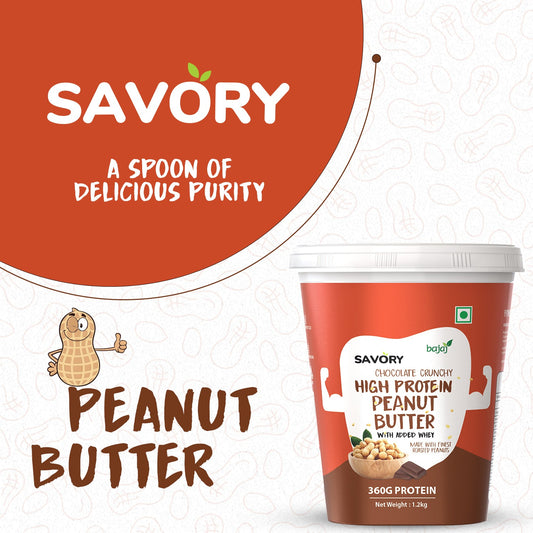


Can Peanut Butter Be Part of a Clean-Electrolyte Diet?
Savory India
Peanut butter has long been a favorite snack for its rich taste and high protein content, but did you know it can also play an important role in a clean-electrolyte diet? While most people associate electrolytes with fruits, vegetables, or sports drinks, peanut butter naturally contains essential minerals like potassium, magnesium, and sodium, which are vital for hydration, muscle function, and steady energy. Choosing the right type of peanut butter — minimally processed and free from added sugars or unhealthy oils — makes it a wholesome addition to a clean-electrolyte diet, supporting your body’s mineral balance throughout the day.
🥥 What Is a Clean-Electrolyte Diet?
A clean-electrolyte diet focuses on restoring and maintaining your body’s essential minerals through whole, natural foods rather than processed electrolyte drinks or synthetic supplements. This diet emphasizes foods rich in sodium, potassium, magnesium, and calcium, all of which help support hydration, muscle performance, and sustained energy levels. Research shows that many people can meet their electrolyte needs through diet rather than relying on commercial drinks. (Cleveland Clinic)
Instead of reaching for sugar-loaded sports drinks, a clean-electrolyte diet encourages natural sources like bananas, leafy greens, nuts, seeds, and legumes, which provide electrolytes along with fiber, antioxidants, and other nutrients. (Medical News Today) The result is a simple, wholesome strategy to keep your body refreshed, energized, and balanced without artificial additives or extra sugar.
🥜 How Peanut Butter Contains Electrolytes
Peanut butter naturally carries several important electrolytes thanks to the minerals in peanuts. A typical serving provides potassium, which helps regulate fluid balance and muscle function — with one tablespoon containing around 213 mg. (URMC) It also contains magnesium, crucial for nerve signaling, muscle recovery, and energy production, with research showing 50–60 mg per serving. (Perfect Snacks)
Lightly salted peanut butter adds sodium, another key electrolyte involved in hydration and muscle contraction. (URMC) Combined with healthy fats and protein, peanut butter offers a natural, steady source of electrolytes that supports overall energy, hydration, and recovery.
🥜 How Peanut Butter Supports a Clean-Electrolyte Diet
Natural peanut butter fits perfectly into a clean-electrolyte diet because it provides electrolytes through whole-food, minimally processed ingredients rather than artificial drinks or sugary mixes. Its potassium and magnesium content help maintain hydration, muscle performance, and energy balance — key goals of a clean-electrolyte approach. Research confirms that whole-food sources of electrolytes offer better nutrition than processed sports beverages. (Cleveland Clinic) Choosing peanut butter without refined sugar or hydrogenated oils delivers electrolytes along with healthy fats, plant protein, fiber, and antioxidants, supporting energy stability and recovery. (Medical News Today)
In short, peanut butter provides real-food electrolytes and sustained nourishment without the additives found in commercial sports drinks, making it a smart choice for anyone on a clean-electrolyte diet.

🚫 Which Peanut Butter Should Not Be Included
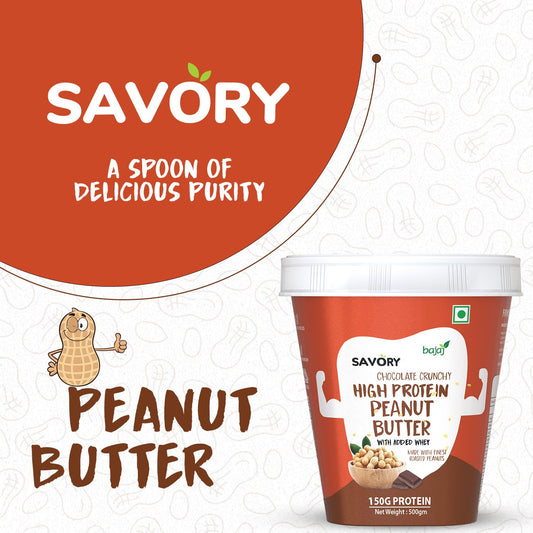
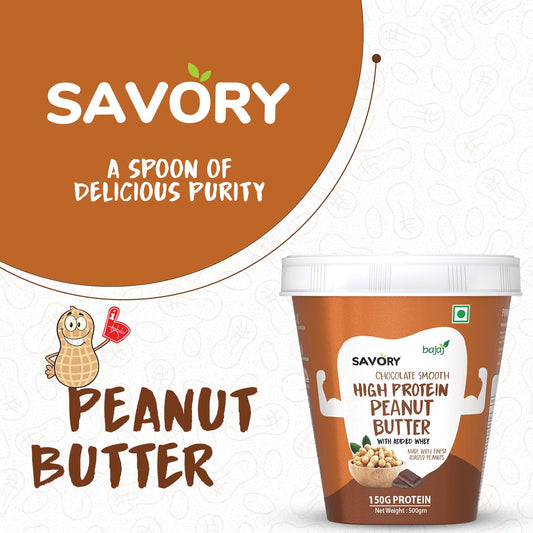
Not all peanut butter fits a clean-electrolyte diet. Many commercial varieties contain added sugars, hydrogenated oils, excessive sodium, artificial stabilizers, and flavor enhancers, which can disrupt electrolyte balance and reduce nutritional value. Flavored options, like chocolate, honey, or high-protein blends, often include preservatives or sweeteners that dilute the health benefits. For a truly clean-electrolyte diet, choose natural or minimally processed peanut butter that preserves the natural minerals without extra additives.
🛒 How to Choose the Right Peanut Butter
When selecting peanut butter from the market, look for varieties that are simple, clean, and minimally processed. Avoid products with added sugars, hydrogenated oils, high sodium, or artificial stabilizers — these ingredients can undermine the clean-electrolyte principles. Choosing peanut butter made from mostly peanuts helps preserve the natural potassium and magnesium content, supporting hydration, muscle function, and steady energy.
Here are some examples of peanut butter options that fit a clean-electrolyte diet:
- DiSano Natural Peanut Butter — Made from roasted peanuts only; no added sugar, oil, or preservatives.
- Pintola All Natural Creamy Peanut Butter — Simple ingredients; no added salt or sugar.
- The Whole Truth Unsweetened Peanut Butter — Minimal processing, truly unsweetened, perfect for clean-label diets.
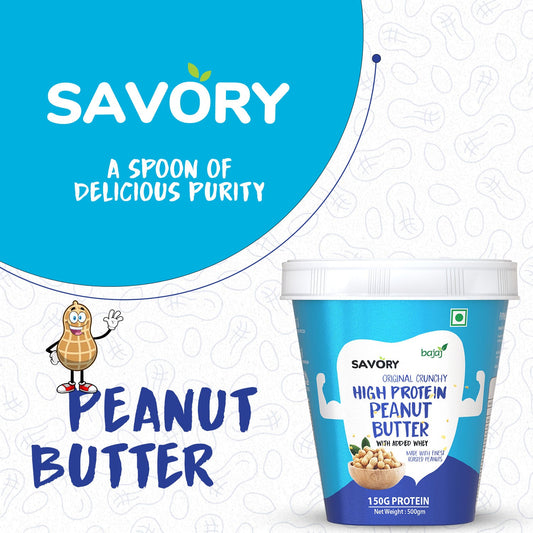
- Savory Sugar-Free Peanut Butter Range — Among the first Indian brands to offer six clean, no-added-sugar peanut butter variants.
Tip: Always read the ingredient list. Even “natural” labels can hide extra sugar or salt. Stick to peanut butter that emphasizes purity and minimal processing for a true clean-electrolyte benefit.
✅ Conclusion
Peanut butter can be more than a tasty snack — when chosen wisely, it becomes a valuable part of a clean-electrolyte diet. Opting for minimally processed peanut butter without added sugars or artificial ingredients allows you to enjoy natural potassium, magnesium, and sodium while supporting hydration, muscle function, and sustained energy. Incorporating clean peanut butter into meals or snacks is an easy, delicious way to combine nourishment and flavor, making it a smart addition to any electrolyte-friendly, clean diet.
Written By
Pranav Narvekar