



FOS in Peanut Butter: How Prebiotic Fibre Takes Nutrition to the Next Level
Savory IndiaPeanut butter has long been seen as a staple for fitness enthusiasts, health-conscious eaters, and anyone who appreciates nutrient-dense food. But a quiet shift is happening in how we look at its potential — one that goes beyond protein and healthy fats.
The addition of Fructooligosaccharides (FOS), a type of prebiotic fibre, is turning an everyday spread into a functional food that supports not only muscles and energy but also gut health and long-term well-being. While most brands still highlight macros like protein and sugar content, few talk about what FOS actually does — and why its inclusion could be one of the most important upgrades in the evolution of peanut butter.
👉 What is FOS?
• FOS are short chains of fructose molecules (oligosaccharides) that human digestive enzymes cannot break down in the small intestine. Instead, they travel to the large intestine, where they serve as food for beneficial gut bacteria (Global Prebiotic Association, Healthline, PubMed Central).
• Because of that, FOS are classed as a prebiotic fibre — not just “fibre that bulks stool,” but “fibre that selectively feeds healthy microflora” (Medical News Today).
• Research suggests FOS contributes to raising beneficial bacteria such as Bifidobacterium in the gut, increasing production of short-chain fatty acids (SCFAs) like butyrate, improving mineral absorption, reducing cholesterol, and supporting metabolic health (PubMed Central, Global Prebiotic Association).
Before FOS, Peanut Butter Was Already Doing a Lot Right
Even without the addition of FOS, peanut butter has long been recognized as a nutrient-dense food. Made from ground roasted peanuts, it provides a valuable source of plant-based protein, healthy monounsaturated fats, and dietary fibre — nutrients that contribute to sustained energy, satiety, and cardiovascular health.It also contains essential micronutrients such as magnesium, vitamin E, and potassium, which support muscle function, nerve signaling, and antioxidant protection.
Because of this natural balance, peanut butter supports both active and everyday lifestyles. Its combination of protein and healthy fats slows digestion, helping maintain stable blood sugar and prolonged fullness.
Given all these benefits, you might wonder — if peanut butter is already so healthy, is there really a need to add FOS? That’s exactly where the story gets interesting.
How FOS Takes It to the Next Level
Adding Fructooligosaccharides (FOS) to peanut butter introduces a new layer of functionality that goes beyond macros. FOS serves as food for beneficial gut bacteria, helping maintain a balanced digestive system. When these bacteria thrive, they produce short-chain fatty acids (like butyrate), which support gut lining integrity, immunity, and metabolic balance.
Including FOS can:
- Improve digestion
- Enhance nutrient absorption
- Strengthen the gut–brain connection
Additionally, prebiotic fibres like FOS can stabilize blood sugar and regulate appetite by slowing glucose release. This transforms peanut butter from a nutrient-rich spread into a functional food that supports both energy and gut wellness — a quiet but meaningful upgrade to an already wholesome staple.
Before and After FOS: What Really Changes
The difference that FOS makes in peanut butter isn’t just about adding another ingredient — it’s about how the product interacts with your body. Here’s a quick comparison of how traditional peanut butter stacks up against peanut butter enriched with FOS: -
|
PB Without FOS |
PB With FOS |
|
Good for muscles |
Good for muscles and gut |
|
Basic fibre |
Prebiotic fibre that feeds good bacteria |
|
Sustains energy |
Sustains energy + improves digestion |
|
Regular spread |
Functional food |
Is FOS-Added Peanut Butter Safe to Consume?
Yes. FOS (Fructooligosaccharides) are naturally found in foods like garlic, onions, bananas, and chicory root. Regulatory bodies such as the U.S. FDA and the European Food Safety Authority (EFSA) classify FOS as “Generally Recognized as Safe (GRAS)” for food use.
Studies show FOS is well tolerated and contributes positively to digestive and metabolic health (EFSA Journal, FDA GRAS Notice).
As with any fibre, excessive intake might cause mild bloating, but typical serving sizes in peanut butter are completely safe and beneficial as part of a balanced diet.
Does FOS Change the Taste of Peanut Butter?
No. FOS has only one-third the sweetness of sugar, blending seamlessly without altering flavour or texture.
It retains peanut butter’s rich, nutty taste and creamy or crunchy consistency, while slightly improving smoothness and moisture retention.
In short — it enhances nutrition without compromising the classic peanut butter experience.
FOS-Added Peanut Butters in the Market
While still a new concept, a few forward-thinking brands have adopted FOS:
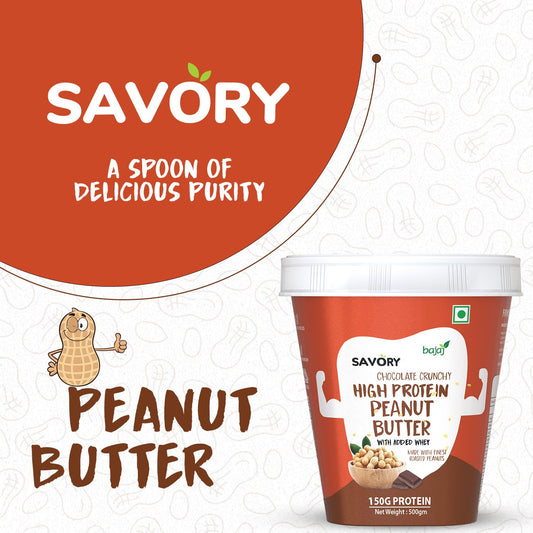
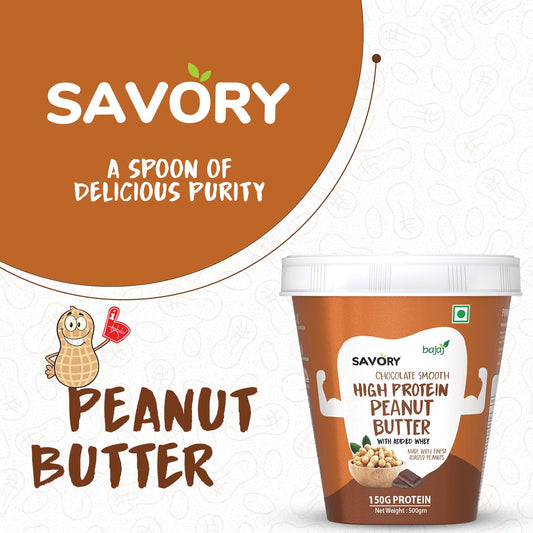
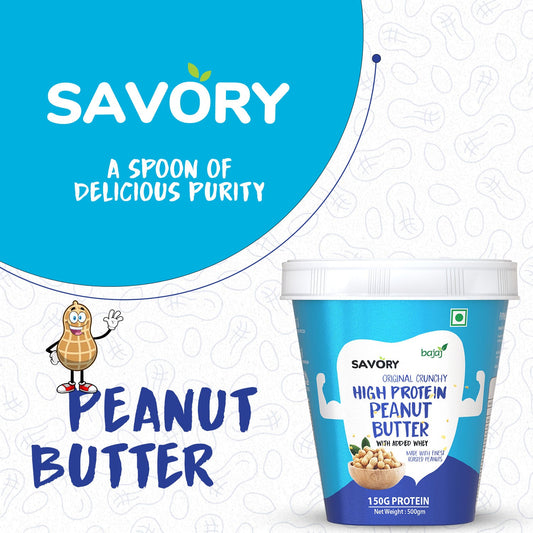
- Savory Sugar Free Peanut Butter Range – One of the first Indian brands to launch a full lineup — six peanut butter variants — all made with Fructooligosaccharides (FOS) and no added sugar, redefining the standard for gut-friendly formulations.
- A M Nutricious Belgian Chocolate Peanut Butter – Combines dark cocoa indulgence with FOS-based functional nutrition.
These formulations go beyond traditional spreads by supporting gut health alongside protein and energy. Yet, very few brands have truly recognised the full potential of FOS. Some products include “prebiotic fibre” on their labels, but most have limited it to a single flavour or variant, rather than expanding it across their range. Savory stands out as the only brand to fully commit — launching six FOS-enriched peanut butters that make gut health a core part of their formulation.
As awareness around gut health and functional foods grows, FOS-enriched peanut butter is likely to move from niche innovation to a mainstream standard.
The Takeaway
FOS may be a small addition, but its impact is anything but minor.
By combining protein, healthy fats, and prebiotic fibre, peanut butter evolves into a food that fuels both energy and gut health.
While most brands are still catching up, those that embrace FOS are shaping the future of nutrition — one focused on functionality, transparency, and true wellness.
As consumers start looking beyond calories and macros, the real story is shifting — to what’s inside the jar, and how it supports your body from within.
-Written By
Pranav Narvekar