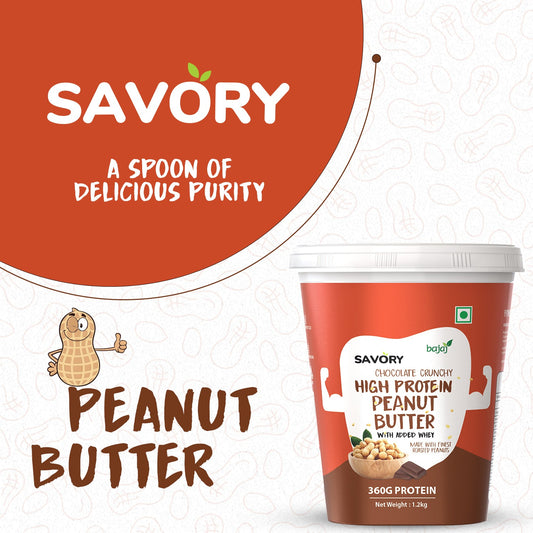


The Science of Why Pink Salt Tastes “Cleaner” Than Table Salt in Nut Butters
Savory IndiaWhen you’re enjoying a spoonful of nut butter — peanut, almond, cashew, or a gourmet blend — the salt inside plays a surprisingly big role in how “pure,” “clean,” and balanced the flavour feels. Many brands are shifting from regular table salt to pink salt, and consumers swear it tastes smoother.
But is this just marketing… or is there real science behind it?
Let’s break it down.
Table Salt vs. Himalayan Salt
|
Aspect |
Table Salt (Refined Sodium Chloride) |
Pink Salt (Unrefined Mineral Salt) |
|
Sodium Chloride % |
~97–99% pure sodium chloride |
Typically, 85–95% sodium chloride |
|
Mineral Content |
Most natural minerals removed during refining |
Contains natural trace minerals (K, Mg, Ca, Fe) |
|
Additives |
Contains anti-caking agents (e.g., sodium ferrocyanide, magnesium carbonate) |
No chemical additives |
|
Processing |
Highly refined, bleached, uniform crystals |
Naturally crystallized; irregular grain structure |
|
Taste Profile |
Very sharp, direct saltiness |
Softer, cleaner, more rounded saltiness |
|
Mouthfeel |
Dissolves quickly → sudden salt burst |
Dissolves gradually → smoother flavour release |
Why Pink Salt Tastes “Cleaner” in Nut Butters
Pink salt naturally contains trace minerals within its crystals, which means it has slightly lower sodium chloride content compared to highly processed table salt. Because of this, the saltiness doesn’t hit the tongue as sharply. Instead, the flavour spreads more evenly and gradually, creating a gentler, smoother, and “cleaner” taste experience.
In nut butters, this makes a noticeable difference: the natural nut flavour stays in focus, while the salt subtly enhances it without overpowering the overall profile. The result is a more balanced, rounded, and premium-tasting spread.
Additives in Table Salt Can Affect Peanut Butter Taste
Refined table salt often contains additives such as anti-caking agents, iodine and traces left from bleaching or refining. While all of these are safe to consume, they can subtly influence the taste experience — affecting the aftertaste, mouthfeel, and overall perception of cleanliness in flavour. In a simple, natural product like peanut butter, even small differences become noticeable because there are so few ingredients to mask them.
Pink salt, being additive-free and minimally processed, avoids these interference points, helping the peanut butter taste cleaner, smoother, and more naturally balanced.
The Subtle Health Advantages of Using Pink Salt in Peanut Butter
Pink salt offers a more natural, less altered form of seasoning, which pairs well with clean-label foods like peanut butter. Its unrefined nature keeps the crystal structure intact, giving you flavour without relying on chemical additives or overly sharp sodium intensity.
Health-Oriented Benefits
- Lower processing = fewer synthetic residues
- More stable mineral balance than chemically refined table salt
- Gentler on taste buds, helping prevent over-salting
- Supports overall cleaner ingredient formulations
- Naturally derived crystals without bleaching or chemical treatment
- Better suited for people seeking minimally processed foods
End Note
Salt may seem like a small detail in nut butter, but it plays a big role in how clean, balanced, and natural the final product tastes. By choosing pink salt over heavily processed table salt, you not only enhance flavour but also elevate the overall quality of the spread. With its gentler sodium profile, natural minerals, and additive-free purity, pink salt aligns perfectly with modern clean-label food choices.
And if you want to experience this difference firsthand, the Savory Sugar-Free range, made with pink salt across all products, is the perfect place to start.
WRITTEN BY
PRANAV NARVEKAR
Sources (with links): -
National Center for Biotechnology Information (NCBI) – Mineral composition differences between refined and unrefined salts
Journal of Sensory Studies – Impact of mineral salts on flavour perception and mouthfeel
Harvard School of Public Health – Sodium chloride processing and additives in table salt
American Heart Association – Sodium intake and flavour intensity relation
International Journal of Food Properties – Effect of trace minerals on taste modulation
USDA Minerals Database – Mineral profile of Himalayan pink salt
Food Chemistry Journal – Influence of anti-caking agents on aftertaste in processed foods