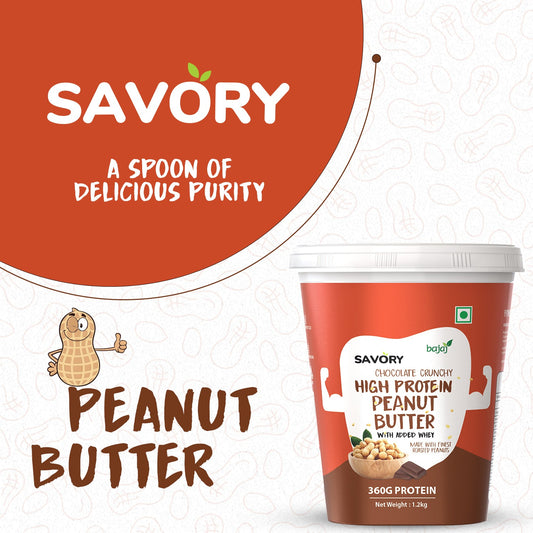


Why Prebiotic Peanut Butter Works Better Than Adding Probiotics to Food
Savory IndiaPrebiotics vs Probiotics: What’s the Real Difference?
Prebiotics and probiotics both support gut health, but they work in completely different ways. Probiotics are live bacteria—“good microbes” you add to your system—found in supplements, yogurt, or fermented foods. Prebiotics, on the other hand, aren’t bacteria at all; they’re special types of fiber that act as food for the beneficial bacteria already living in your gut. While probiotics try to introduce new microbes, prebiotics strengthen and nourish your existing ones, helping them grow, multiply, and maintain a healthier, more balanced microbiome. (clevelandclinic.org)
What Makes Prebiotic Peanut Butter Different?
Prebiotic peanut butter starts as regular peanut butter, but with one smart upgrade: prebiotic fiber is blended into the spread. This fiber doesn’t change the taste or texture, but it gives your gut something extra—fuel for the good bacteria already living inside you.
This simple addition makes peanut butter better because it turns a snack you already enjoy into a food that actively supports digestion, reduces bloating, and strengthens your gut environment. In short: it’s your favourite peanut butter, but now it does more for your body every time you eat it.
The Trend of Adding Probiotics Into Your Food
There’s a fast-growing trend of brands adding probiotics into everyday foods—snacks, chocolates, drinks, and spreads—to make them look more “gut healthy.” It has become more of a marketing move than a meaningful nutrition upgrade, with probiotics being sprinkled into products where they don’t naturally belong. The result is a wave of probiotic-labeled foods that sound impressive but don’t necessarily deliver what people expect from a real gut-supporting product.
Why Probiotics Struggle to Work
Probiotics sound powerful on labels, but their real-world performance is limited because of how easily they break down:
• Probiotics are extremely fragile and can be damaged by heat, oxygen, and light.
• Many don’t survive food manufacturing, pasteurization, or long storage.
• A large portion of probiotic strains are destroyed by stomach acid before reaching the gut.
• The few that do survive often arrive in low numbers, limiting their overall effectiveness.
So while the label looks impressive, the actual benefit is often minimal. This trend has created more probiotic-added products than truly effective gut-friendly foods, leaving consumers thinking they’re getting results when they’re not.
(Source: pubmed )

How Prebiotics Steal the Spotlight Here
Prebiotics take the lead because they bypass the biggest weakness of probiotics: survival. They’re not live organisms, which means they don’t get damaged by heat during manufacturing, don’t lose potency on store shelves, and aren’t destroyed by stomach acid. Instead, they move through your system unchanged, reaching the gut exactly the way they should. This makes them far more dependable, especially in everyday foods where probiotics often fail to stay alive.
Once they reach the gut, prebiotics become the fuel source your existing good bacteria rely on. They help these microbes grow, multiply, and function at their best—strengthening digestion, improving nutrient absorption, and supporting a more balanced microbiome over time. Instead of adding new bacteria and hoping they survive, prebiotics reinforce the strong foundation you already have, which is why they tend to deliver more consistent, long-term gut health benefits.
( Source: ncbi )
The Long-Lasting Gut Power of Prebiotic Fiber
Studies show that prebiotic fibers:
• increase beneficial bacteria like Bifidobacteria
• improve stool regularity
• help regulate appetite
• reduce inflammation markers
• support better mineral absorption
Probiotics offer benefits too—but only as long as you keep taking them, and only if they survive long enough to colonize. Prebiotics create a healthier environment, allowing your own microbiome to flourish long-term.
Prebiotic Peanut Butter’s Real Advantage: Consistency
Peanut butter becomes one of the most effective prebiotic choices for a simple reason: people actually eat it consistently. Most prebiotic foods or supplements fail because they require extra effort, taste unfamiliar, or don’t naturally fit into daily routines. Peanut butter, on the other hand, is already a staple — it shows up in breakfasts, snacks, smoothies, and post-workout meals without feeling forced.
Its natural fiber (and any added prebiotic fiber) blends into your diet effortlessly, making daily intake easy and enjoyable. And when prebiotics are consumed regularly, the gut gets steady nourishment, good bacteria thrive, and long-term results become far more reliable. Consistency is where peanut butter wins — it turns gut support into a habit you don’t even have to think about.
Final Word
In the end, prebiotic peanut butter stands out because it fits naturally into everyday life while delivering real, lasting gut benefits. Instead of relying on fragile probiotics that often don’t survive long enough to make a difference, prebiotic fibers fuel the good bacteria you already have and help them thrive. When a gut-friendly option is easy, familiar, and enjoyable, consistency becomes effortless — and that’s where real results begin.
If you want a practical and easy way to support your gut every day, you can explore our sugar-free peanut savory made with Prebiotic Fiber (FOS) here: [Savory].
WRITTEN BY
PRANAV NARVEKAR